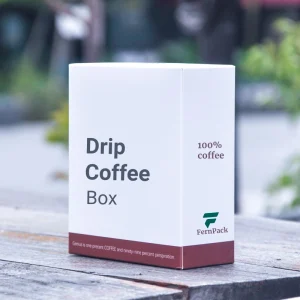
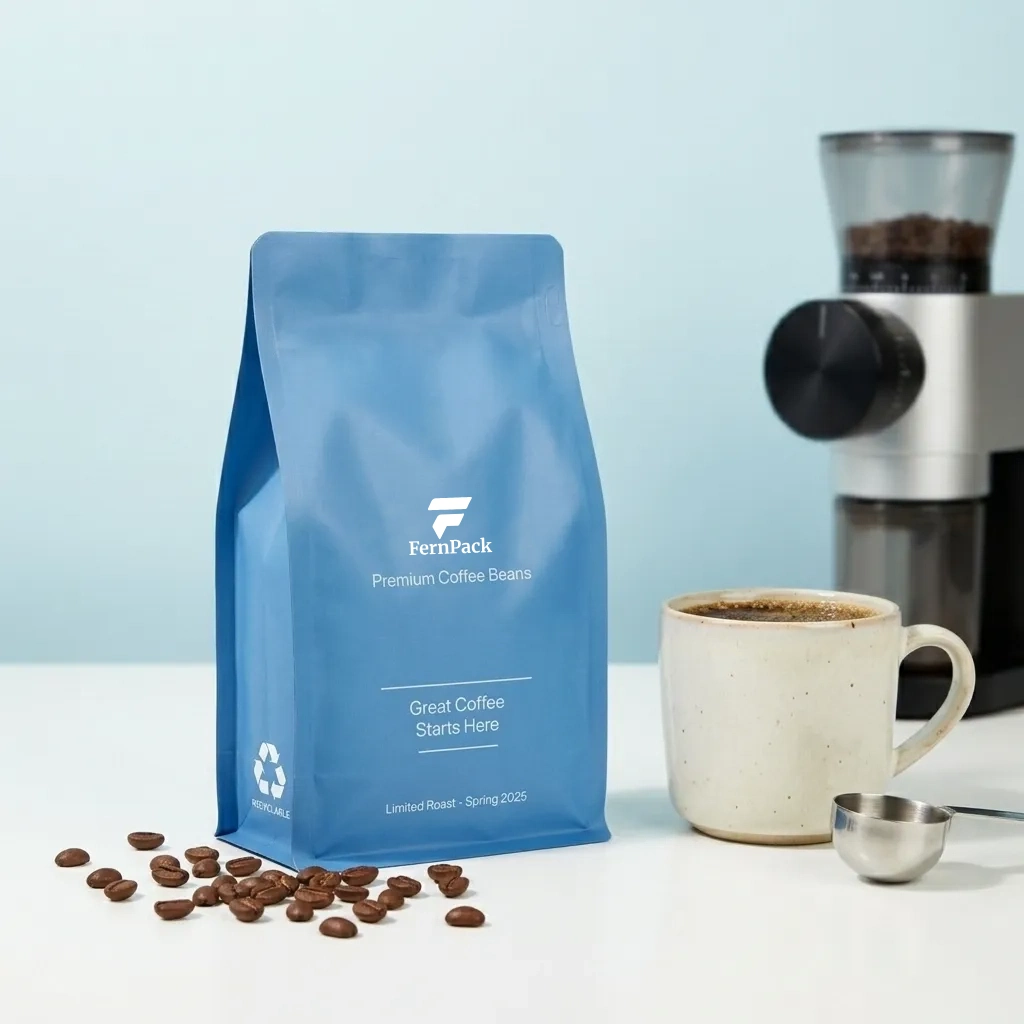
Over the past few years, sustainable coffee packaging has become one of the biggest conversations in specialty coffee. More roasters are looking for ways to reduce plastic usage, explore recyclable or compostable materials, and move toward packaging systems that feel more aligned with the environmental values many coffee brands already promote through sourcing and production.
From the outside, the transition can appear relatively straightforward. Replace conventional multilayer packaging with more sustainable alternatives, reduce unnecessary materials, and move toward structures that are easier to recycle or compost.
But for many specialty coffee brands, the reality becomes far more complicated once those materials are tested with actual coffee under real storage, retail, and distribution conditions.
A coffee bag may look beautifully natural on the shelf while still behaving very differently once the coffee moves through real storage, transport, and retail conditions over time. For many specialty coffee roasters, this is where sustainable packaging stops feeling like a purely environmental conversation and becomes directly connected to freshness protection, flavor stability, and overall coffee quality.
That distinction matters enormously in specialty coffee because the value of the product is tied so closely to freshness perception and flavor precision. Customers are rarely buying coffee simply as a functional product. They are buying sweetness, clarity, origin character, texture, and the specific sensory experience the roaster intended to preserve.
This is why sustainable coffee packaging has become one of the more delicate balancing acts in modern specialty coffee. Most brands genuinely want to reduce environmental impact and move toward more responsible packaging systems. The challenge is that protecting coffee quality consistently while also improving sustainability is far more technically nuanced than many early packaging conversations initially suggested.
Why sustainable coffee packaging is more complicated than it first appears
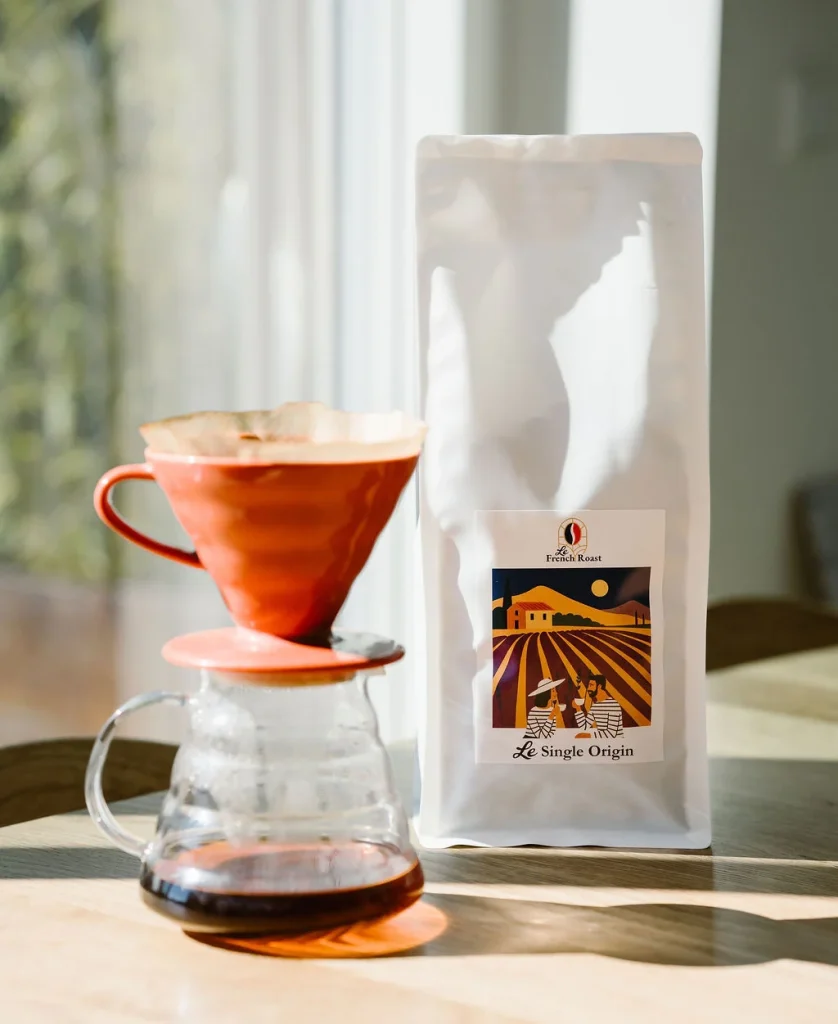
The difficulty of sustainable coffee packaging rarely comes from a single factor alone. In specialty coffee, the challenge emerges through the interaction between coffee sensitivity, shelf-life expectations, packaging performance, logistics realities, and the growing sustainability expectations surrounding modern coffee brands.
What initially appears to be a relatively simple material decision often becomes significantly more nuanced once packaging systems are tested across real production, storage, retail, and customer environments over time.
Why specialty coffee is unusually sensitive to packaging performance
Coffee is often treated like a relatively stable dry product, but roasted coffee remains chemically active long after it leaves the roastery. It continuously releases CO2, reacts with oxygen, absorbs moisture from the environment, and gradually loses volatile aromatic compounds over time. Ground coffee becomes even more sensitive because the increased surface area dramatically accelerates oxidation.
For specialty coffee, these changes are rarely subtle.
Darker commercial roasts can sometimes tolerate modest packaging compromises because heavier roast development tends to mask part of the oxidation perception during storage. Delicate light roast coffees behave very differently. Washed Ethiopians, Geshas, and high-acidity filter profiles often place far greater demands on packaging consistency because even relatively small increases in oxygen exposure become easier to detect over time.
What disappears first is usually not the coffee itself, but the details that made the coffee feel distinctive in the first place. Floral aromatics soften, acidity loses vibrancy, sweetness becomes less transparent, and the finish feels shorter and less articulate. For many specialty roasters, this is where packaging decisions become emotionally difficult, because the packaging is no longer only protecting shelf life. It is protecting flavor identity.
This is also where many sustainability discussions become disconnected from how coffee actually behaves. Packaging conversations are often dominated by terms such as recyclable, compostable, biodegradable, or plastic-free, yet coffee itself does not respond to sustainability terminology. It responds to oxygen transmission, moisture protection, sealing consistency, degassing behavior, and storage conditions throughout the supply chain.
That is why specialty coffee packaging cannot be approached in the same way as general food packaging. In many cases, the technical margin for error is simply much smaller.
Sustainability pressure on specialty coffee brands is becoming unavoidable
At the same time, the pressure on coffee brands to improve packaging sustainability is no longer theoretical. For many specialty roasters, it has become part of everyday operational decision-making.
Consumers are paying closer attention to single-use plastics, recyclability, disposal instructions, and environmental claims on packaging itself. Retailers and distributors are also beginning to ask more detailed questions around packaging materials, recyclability, and sustainability positioning, particularly in Europe where frameworks such as the EU’s Packaging and Packaging Waste Regulation (PPWR) are pushing the market toward greater material transparency and recyclability expectations.
Within specialty coffee itself, sustainability has also become increasingly connected to how brands communicate responsibility, transparency, and long-term values throughout the supply chain. Customers who care about sourcing, traceability, and producer relationships increasingly expect packaging choices to reflect similar priorities as well.
This creates a difficult tension for many specialty coffee brands.
A roaster may spend years building responsible sourcing relationships and investing heavily in coffee quality, yet still feel uncomfortable shipping those coffees in conventional multilayer plastic packaging. At the same time, many traditional high-barrier structures continue to outperform more sustainable alternatives when it comes to freshness protection during storage and transport.
For many brands, the challenge is therefore not deciding whether sustainability matters. The challenge is learning how to improve sustainability without quietly undermining the quality experience customers expect from the coffee itself.
That tension is becoming one of the defining packaging realities specialty coffee brands will continue navigating over the coming decade.
Why do many eco-friendly coffee bags perform differently in real-world use
One of the biggest misunderstandings in sustainable coffee packaging is the assumption that improving sustainability is simply a matter of replacing one material with another.
In practice, the transition is rarely that simple.
Many specialty coffee brands initially feel optimistic during early sampling and testing. The bags may seal properly, look visually convincing on the shelf, and appear successful under short-term evaluation. The real challenges often emerge much later, once the coffee begins moving through actual storage, export transit, warehousing, retail circulation, and customer use conditions.
This becomes especially noticeable when brands transition from traditional high-barrier laminates into recyclable or compostable structures without fully adjusting expectations around shelf life and flavor stability.
A roaster accustomed to aluminium or metallized barrier films may reasonably expect similar six-to-twelve-month performance from a compostable structure. In reality, specialty coffee often begins showing subtle sensory changes long before the packaging itself appears visually problematic. Compostable packaging can work very successfully in shorter shelf-life or controlled local distribution programs, but different material systems protect coffee differently over time, and specialty coffee is sensitive enough for those differences to become noticeable surprisingly quickly.
What makes these transitions particularly difficult is that performance decline rarely appears through obvious packaging failure. Bags do not suddenly collapse overnight. Instead, the changes tend to emerge gradually through reduced freshness consistency over time. Seal behavior may shift under humidity variation, structural stiffness can soften during storage, valve adhesion may behave differently across longer distribution cycles, and oxygen protection may become less predictable once coffees move through more demanding logistics conditions.
In many cases, these issues remain subtle enough that they are only fully recognized after the coffee has already reached retail shelves or customers themselves.
Recyclable mono-material systems present a different kind of trade-off. PE-based recyclable structures with EVOH barriers are currently among the most promising directions in sustainable coffee packaging, particularly for specialty coffee programs with faster inventory turnover. Under the right conditions, they can offer a meaningful improvement in recyclability while still maintaining strong overall performance.
At the same time, they are not identical to traditional aluminium or metallized laminates, especially once coffees begin moving through extended warehousing, export transit, humidity fluctuation, and less controlled storage environments over longer periods of time.
This is why sustainable coffee packaging cannot be evaluated through environmental claims alone. Packaging performance ultimately depends on how the coffee is actually roasted, distributed, stored, and experienced by the customer throughout its full shelf-life cycle.
Kraft coffee bags and the gap between visual and structural sustainability
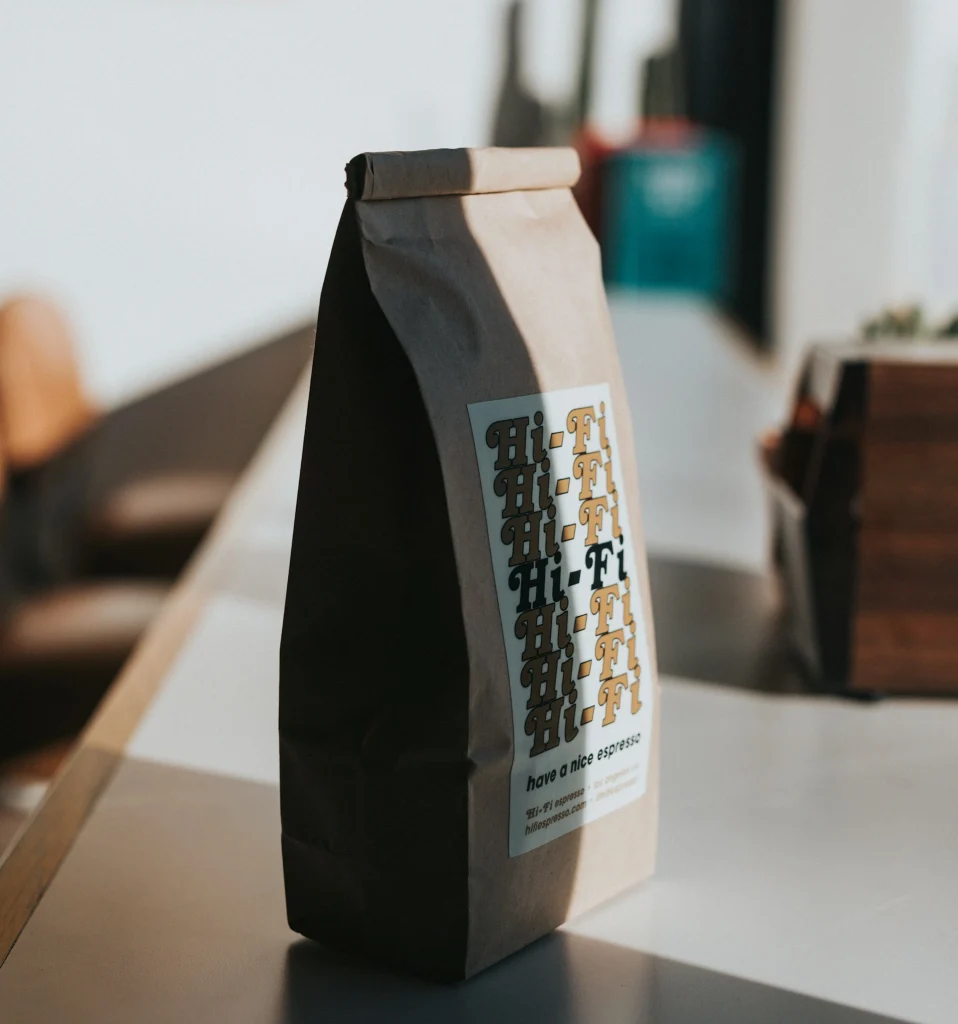
Few packaging styles communicate “sustainability” more quickly in specialty coffee than kraft paper.
For many roasters, kraft textures feel naturally aligned with the broader identity of specialty coffee itself. They suggest simplicity, craftsmanship, origin focus, and a more environmentally conscious presentation style. Because of this, kraft aesthetics have become closely associated with ideas such as responsible sourcing, small-batch roasting, and intentional consumption.
That visual language is powerful, which is also why it can sometimes become misleading.
A coffee bag that appears natural on the outside is not necessarily simple or low-impact structurally. Many kraft coffee bags still rely on multilayer plastic or metallized barrier systems internally, with the kraft layer functioning primarily as an outer visual surface while the actual freshness protection happens underneath.
This is not automatically a problem. In many situations, those stronger internal barrier structures are exactly what allow the packaging to maintain oxygen protection, moisture resistance, and shelf-life stability across longer storage and distribution cycles, particularly for delicate specialty coffees moving through export or retail environments.
The issue begins when visual sustainability becomes disconnected from material transparency.
Within specialty coffee, customers are becoming increasingly sensitive to greenwashing and environmental claims that lack technical clarity. Terms such as eco-friendly, natural, or plastic-free are now questioned far more carefully than they were a few years ago, especially by consumers who already value transparency in sourcing, roasting, and production practices.
A coffee bag may communicate a sustainable image visually while still remaining difficult to recycle, dependent on industrial composting infrastructure, or structurally reliant on conventional multilayer barrier materials internally.
That does not necessarily make the packaging irresponsible. In some situations, stronger barrier protection may still be the most practical way to preserve coffee quality consistently over longer storage and distribution cycles.
But it does mean sustainable coffee packaging decisions should be evaluated based on actual material structure, realistic disposal infrastructure, and long-term packaging performance rather than visual appearance alone.
When sustainable packaging can unintentionally increase product waste
One of the more uncomfortable realities in sustainable coffee packaging is that environmentally responsible materials can sometimes create another form of waste if they fail to protect the coffee consistently enough throughout its intended shelf life.
In specialty coffee, this matters because the coffee itself already carries significant environmental, financial, and human investment long before it ever reaches the customer. Delicate coffees may spend months moving through sourcing, processing, export logistics, roasting, and distribution before finally being brewed.
If packaging performance drops too aggressively and the coffee loses freshness prematurely, part of that value is lost as well. The issue is not only sensory degradation. It is also the reality that coffee which no longer delivers the intended experience becomes far more likely to be wasted, discounted, or consumed below its original quality potential.
This is why sustainable coffee packaging cannot be evaluated only by what happens after disposal. It also needs to be evaluated by how effectively it protects the coffee before the bag is ever opened.
For many specialty coffee brands, this is where sustainability becomes more operational than philosophical. The goal is not simply to reduce packaging impact in isolation, but to improve environmental responsibility while still preserving the quality, stability, and customer experience the coffee was originally produced to deliver.
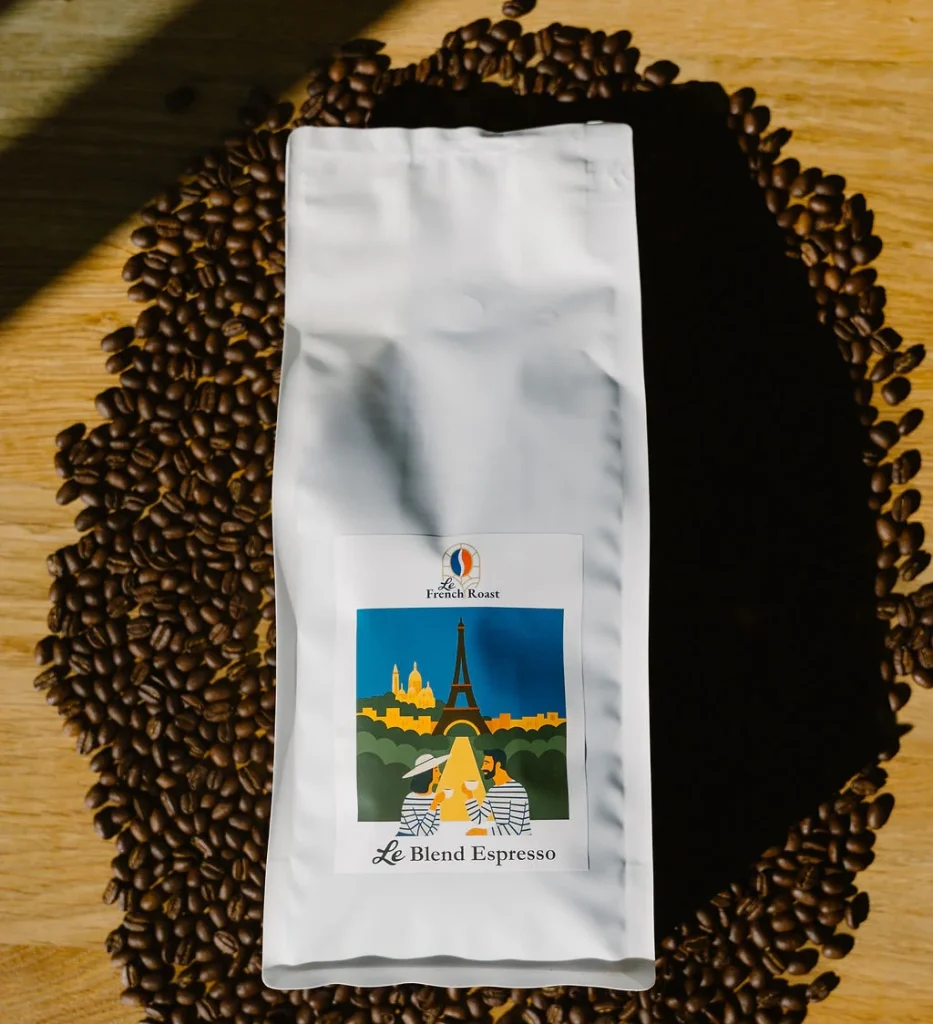
How specialty coffee brands can evaluate sustainable packaging more realistically
Once specialty coffee brands recognize how technically and operationally complex sustainable packaging can become, the next challenge is learning how to evaluate packaging decisions more realistically within the context of their own coffee program.
In practice, sustainable packaging rarely succeeds through universal material recommendations or simplified environmental claims alone. The right packaging strategy often depends on factors such as shelf-life expectations, roast profile, inventory turnover, retail exposure, export logistics, filling methods, and how customers ultimately consume the coffee itself.
For many specialty roasters, the most effective sustainability transitions are therefore not built around chasing a single “perfect” material. Instead, they come from understanding where different packaging structures realistically fit, where compromises become acceptable, and how sustainability improvements can be introduced gradually without destabilizing coffee quality along the way.
What sustainable coffee packaging strategies actually work for specialty coffee brands
Most successful sustainability transitions in specialty coffee do not come from replacing every packaging structure at once. They usually come from understanding where different materials realistically fit within different parts of a coffee program.
One packaging structure rarely works for every coffee
Different coffees often require very different packaging priorities. A fast-moving local espresso blend may tolerate packaging conditions that would become far more difficult for a delicate light roast coffee expected to remain stable across export, warehousing, and retail storage.
Because of this, applying a single sustainability solution across every SKU often creates unnecessary compromise.
Packaging decisions should reflect the business model
Packaging requirements are heavily influenced by how the coffee is actually sold and distributed.
Local cafe roasters with rapid turnover often have more flexibility to introduce recyclable mono-material structures successfully. Export-focused specialty brands managing longer shelf life and wider distribution exposure may still require stronger barrier protection for certain coffees.
In practice, packaging systems tend to work best when they are matched to the operational realities of the business itself rather than selected through sustainability claims alone.
The strongest sustainability transitions are usually phased
Many successful specialty coffee brands now approach sustainability through phased implementation rather than immediate full-line replacement.
Instead of changing every packaging structure simultaneously, they begin with controlled product categories, evaluate performance under real storage and distribution conditions, and expand sustainability improvements gradually where the packaging continues protecting the coffee reliably over time.
This often produces far more stable long-term results than aggressive all-at-once material changes.
Operational fit matters more than trend claims
Over time, the strongest sustainable packaging strategies usually become less about finding a single “perfect” material and more about understanding which structures realistically fit different coffees, shelf-life expectations, and logistics conditions.
In specialty coffee, packaging performance is ultimately determined less by sustainability language and more by whether the packaging can consistently protect the coffee throughout the conditions it must actually survive before reaching the customer.
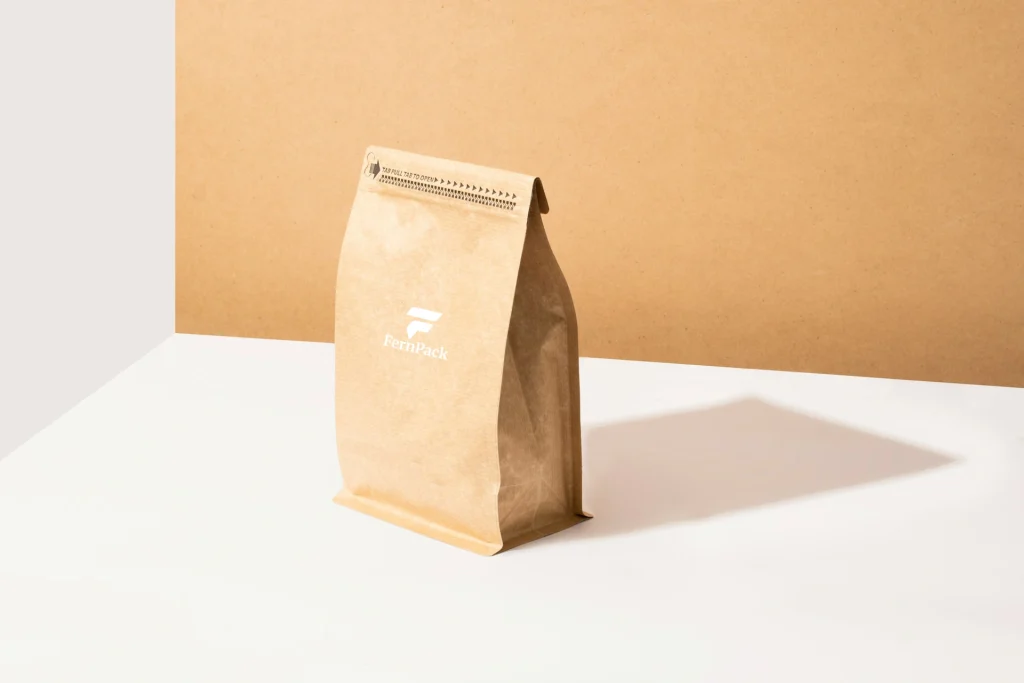
Flat bottom coffee bags and sustainable packaging challenges
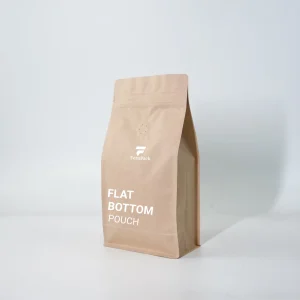
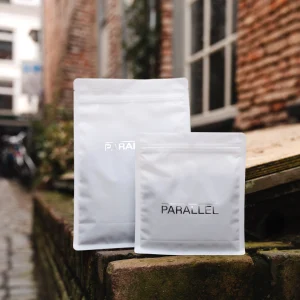
For many specialty coffee brands, flat bottom bags have become closely associated with premium retail presentation because they combine shelf presence, freshness protection, and branding flexibility within a single packaging system. Their structured appearance, compatibility with valves and resealable zippers, and strong visual presentation across both retail shelves and e-commerce have made them one of the dominant formats in modern specialty coffee packaging.
But those same structural advantages are also what make sustainable material transitions significantly more demanding.
Unlike simpler pouch formats, structured coffee bags rely heavily on material behavior to maintain panel rigidity, sealing precision, edge definition, and overall presentation quality over time. As recyclable and compostable materials are introduced, differences in stiffness, crease retention, sealing consistency, and dimensional stability often become much more noticeable once the bags move beyond early sampling and into real production, storage, and distribution environments.
In practice, sustainable materials can behave very differently during folding, forming, filling, sealing, and transport. Some structures may soften more easily after filling, lose crisp edge definition during warehousing, or respond differently to humidity variation, stacking pressure, and repeated handling across longer distribution cycles.
Because premium coffee packaging communicates freshness and quality visually long before the coffee is ever brewed, these changes rarely remain purely cosmetic. A bag that gradually loses structural precision during transport or shelf storage can quietly weaken the perception of consistency and product quality even when the coffee itself has not yet been opened.
This is also why sustainable coffee packaging should never be evaluated through empty sample bags alone. A structure that initially appears visually successful may behave very differently once it is filled with coffee, stacked in warehouses, transported across changing climates, or displayed on retail shelves for extended periods of time.
In many situations, performance decline emerges gradually rather than through obvious packaging failure. Seal behavior may shift under humidity variation, structural rigidity can soften during storage, zipper performance may become less stable after repeated handling, and oxygen protection may become less predictable across extended shelf-life cycles.
Structured coffee bags therefore tend to reveal the real difference between sustainability claims and long-term packaging performance relatively quickly. Because these formats depend simultaneously on barrier protection, structural stability, sealing precision, and visual presentation, weaknesses in sustainable material systems often become visible faster than they would in simpler pouch formats.
This is why evaluating sustainable coffee packaging requires far more than visual sampling or short-term testing alone. The packaging needs to be evaluated as a complete operational system under realistic filling, storage, transport, and retail conditions to understand how both the bag and the coffee will behave over time.
Why packaging decisions should depend on shelf life, logistics, and roast profile
One of the biggest mistakes in sustainable coffee packaging is assuming that packaging performance is determined mainly by the material itself.
In reality, packaging performance is often shaped far more by how much environmental exposure the coffee must survive before the customer finally opens the bag.
A coffee sold locally within days of roasting behaves very differently from a coffee expected to remain stable across export transit, warehousing, retail shelves, and extended customer storage. As shelf life and logistical complexity increase, packaging consistency becomes significantly more demanding as well. Small weaknesses in oxygen barrier performance, sealing precision, or environmental stability that may remain relatively unnoticeable during short local turnover cycles can become far more visible once coffees spend months moving through larger distribution systems.
Logistics conditions make the situation even more complex.
Coffee moving through controlled local delivery may experience relatively limited environmental fluctuation before reaching the customer. Export coffees, however, often pass through changing temperatures, humidity variation, warehouse handling, container storage, and extended retail exposure long before the bag is finally opened, particularly during long container transit and uncontrolled warehousing conditions. In specialty coffee, even modest increases in oxygen exposure or environmental instability can gradually begin affecting flavor clarity over time once coffees move through longer and less predictable logistics chains.
Roast profile also changes the equation considerably.
Darker espresso roasts can sometimes tolerate modest packaging compromises more successfully because heavier roast development often makes gradual flavor flattening less immediately noticeable during storage. Roast-driven characteristics such as caramelization, bitterness, and heavier body can partially soften the sensory impact of oxidation over time.
Delicate light roast coffees behave very differently. Highly aromatic washed coffees, Geshas, and high-acidity filter profiles often place far greater demands on packaging consistency because subtle oxidation becomes much easier to perceive long before the coffee appears visually stale. Floral aromatics may soften, acidity can lose precision, and the overall cup profile may begin feeling flatter or less transparent even while the coffee still appears commercially acceptable from a general freshness standpoint.
For many specialty coffee brands, this is where packaging performance becomes closely tied to preserving not only shelf life, but also the sensory identity that makes the coffee distinctive in the first place.
Before selecting a sustainable packaging structure, specialty coffee brands often need to evaluate questions such as:
- How long does the coffee realistically need to remain stable?
- Will the coffee remain within local distribution or move through export logistics?
- How quickly does inventory turnover happen?
- How sensitive is the roast profile to oxygen exposure over time?
- Will the coffee spend extended periods in warehouses, retail shelves, or uncontrolled storage conditions before purchase?
The answers to those questions often determine packaging requirements far more reliably than sustainability terminology alone.
This is also why sustainable packaging transitions usually work best when coffees are evaluated individually rather than forcing a single structure across the entire lineup. A recyclable mono-material bag may perform extremely well for a fast-moving local espresso blend while becoming far more difficult for a delicate filter coffee expected to maintain aromatic precision throughout long export and retail cycles, especially once extended storage, humidity exposure, and longer logistics chains begin affecting barrier consistency over time.
In specialty coffee, packaging performance is rarely determined by sustainability claims alone. More often, it is determined by how much environmental exposure the coffee must survive before the customer finally opens the bag. The strongest packaging decisions usually come from understanding those exposure conditions first, then selecting materials that can realistically protect the coffee within them.
Why gradual packaging transitions often work better than radical material changes
One reason sustainable packaging transitions often become difficult in specialty coffee is that packaging performance is closely tied to operational consistency across the entire coffee program. When brands change materials too aggressively or too quickly, multiple variables often shift simultaneously, making it far more difficult to identify where performance instability is actually coming from once coffees begin moving through real production, storage, and distribution environments.
Because of this, experienced specialty coffee brands rarely approach sustainability through immediate full-line packaging replacement. More often, they begin with smaller and lower-risk transitions where packaging behavior can be evaluated under realistic commercial conditions before broader structural changes are introduced across the entire product lineup.
In practice, this usually means starting with coffees that move through faster and more controlled sales channels first. Recyclable mono-material structures may initially be introduced for local café programs, subscription coffees with predictable turnover, or lower-risk blends where shelf-life pressure is relatively limited. More sensitive export coffees or highly delicate filter profiles often remain in higher-barrier packaging systems until performance consistency has been evaluated more thoroughly over time.
This phased approach helps reduce operational uncertainty during transition periods. Instead of changing every variable simultaneously, brands can observe how new packaging structures behave across filling, sealing, warehousing, transport, retail circulation, and customer handling under actual commercial conditions.
That distinction matters because sustainable packaging problems rarely appear immediately. A structure may initially perform well during sampling and early production while more subtle issues only begin emerging later through humidity exposure, longer storage cycles, repeated handling, or extended logistics conditions.
Gradual implementation also helps protect one of the most important assets in specialty coffee: customer trust.
In specialty coffee, consistency is closely connected to how customers perceive quality. If a coffee suddenly begins aging differently because packaging performance changed too aggressively, customers rarely experience that as a packaging issue. More often, they simply perceive the coffee itself as becoming less reliable or less expressive over time.
This is why many successful specialty coffee brands now treat sustainable packaging less as a one-time material switch and more as a staged operational development process. Instead of chasing the fastest possible transition, they improve packaging systems progressively, expand sustainable structures selectively, and scale changes only after performance remains stable under realistic operating conditions.
Over time, the strongest long-term results usually come from controlled implementation, realistic testing, and understanding how different packaging systems behave under the actual environmental pressures the coffee will experience before it finally reaches the customer.
A more realistic way to approach sustainable coffee packaging
For many specialty coffee brands, sustainable packaging eventually becomes less about finding a perfect material and more about learning how to make responsible trade-offs realistically.
Once coffee freshness, shelf life, logistics exposure, customer expectations, and disposal infrastructure are all considered together, it becomes clear that no packaging structure solves every problem simultaneously. Different materials solve different priorities, and every sustainability decision involves some form of compromise between environmental impact, operational practicality, and long-term coffee protection.
This is why many experienced specialty coffee brands no longer approach sustainability as a search for a universally “correct” packaging solution. More often, they approach it as an ongoing refinement process, gradually improving packaging systems where meaningful progress can be achieved without destabilizing the quality experience customers expect from the coffee itself.
In practice, the strongest sustainability strategies are usually not the most aggressive. They are the ones built around realistic testing, operational fit, and a clear understanding of how the coffee will actually behave once it moves through the real world.
Sustainable coffee packaging requires honesty about trade-offs
One reason sustainability conversations have become so important in specialty coffee is that the industry itself has already been shaped by a culture of transparency. Customers have grown accustomed to asking where a coffee was produced, how it was processed, how producers were paid, how the coffee was roasted, and why certain flavor profiles were developed intentionally. Over time, transparency has become deeply connected to how trust and quality are communicated throughout the specialty coffee experience.
Packaging sustainability increasingly requires the same mindset.
Most customers do not expect coffee brands to have a perfect environmental solution today. In reality, many consumers already understand that sustainable coffee packaging remains technically complicated, especially for products as freshness-sensitive as specialty coffee. What customers increasingly pay attention to instead is whether brands communicate those decisions honestly and realistically.
A coffee bag that clearly explains why a particular structure was chosen, what level of recyclability or compostability is realistically possible, how customers should dispose of the packaging, and where current limitations still exist will often build far more long-term trust than broad environmental claims with little technical clarity behind them.
This matters because sustainable coffee packaging is still evolving rapidly, and many of the industry’s current solutions involve trade-offs somewhere in the system. There is still no coffee packaging structure today that simultaneously delivers maximum freshness protection, universal sustainability compatibility, long export stability, low environmental impact, and flawless performance across every market condition. Different materials solve different problems, and every packaging decision ultimately involves compromise somewhere along the line.
For specialty coffee brands, the goal is therefore not to pretend those compromises do not exist. More often, the strongest brands are the ones willing to make those decisions thoughtfully, communicate them transparently, and continue improving gradually as materials, infrastructure, and packaging technologies evolve over time.
In many ways, that mindset already reflects the broader philosophy behind specialty coffee itself. Great coffee rarely comes from shortcuts or simplified answers. It comes from understanding complexity, respecting limitations, making intentional decisions, and refining details continuously over time. Sustainable coffee packaging is increasingly becoming very similar.
At FernPack, we increasingly see specialty coffee brands approaching sustainability less as a search for perfect packaging and more as a process of making better long-term decisions thoughtfully. In many cases, the strongest packaging transitions come from realistic testing, honest discussion around trade-offs, and building packaging systems around how the coffee is actually sold, stored, and experienced rather than around simplified environmental claims alone.
If your brand is currently evaluating recyclable, compostable, or high-barrier coffee packaging options, FernPack is always happy to discuss realistic packaging strategies based on your actual coffee program, shelf-life expectations, and operational requirements rather than offering one-size-fits-all material recommendations.
FAQ: Sustainable coffee packaging for specialty coffee brands
Will sustainable coffee bags reduce coffee freshness?
They can, depending on the material structure and how the coffee is stored and distributed.
Many recyclable and compostable coffee bags have lower oxygen barrier performance compared to traditional aluminium or metallized laminates. For specialty coffee, especially light roasts with delicate aromatics, even relatively small differences in barrier protection can become noticeable over time through softer acidity, muted florals, or reduced sweetness clarity.
This does not mean sustainable coffee packaging cannot work well. It means the packaging structure needs to match the actual shelf-life expectations, roast profile, and sales channel of the coffee rather than being treated as a direct replacement for conventional high-barrier packaging.
Are recyclable coffee bags realistic for specialty coffee brands?
In many cases, yes.
Recyclable mono-material coffee bags are becoming one of the most practical sustainability options for specialty coffee brands, particularly for local or regional programs with faster inventory turnover. Under the right conditions, they can offer a meaningful improvement in recyclability while still maintaining good freshness performance.
However, highly delicate coffees, export distribution, and long retail shelf-life programs may still require stronger barrier protection depending on how sensitive the coffee is and how long it needs to remain stable.
Can compostable coffee bags actually preserve coffee quality?
Compostable coffee packaging can work well in controlled applications, but it usually requires more careful shelf-life management than traditional high-barrier structures.
For local coffee programs, short turnover cycles, or brands with strong sustainability positioning, compostable bags may perform successfully. But for export coffee, longer storage periods, or highly aromatic light-roast coffees, lower barrier performance can become more noticeable over time unless the packaging system is tested carefully.
The challenge is not whether compostable packaging is “good” or “bad,” but whether its real-world performance matches the actual distribution conditions of the coffee.
Why do many specialty coffee brands still use high-barrier coffee packaging?
Because protecting coffee quality consistently remains technically difficult, especially for export coffee and long shelf-life retail programs.
High-barrier laminates still provide the strongest protection against oxygen, moisture, aroma loss, and environmental fluctuations during shipping and storage. For highly delicate coffees, the difference in flavor stability can remain significant over longer periods of time.
This is why many specialty coffee brands continue using high-barrier structures selectively while improving sustainability gradually in other parts of their packaging system.
What sustainable coffee packaging works best for export coffee?
There is no universal answer, because export coffee programs vary significantly depending on shipping time, climate exposure, roast profile, and expected shelf life.
In many cases, recyclable structures can work successfully for export if inventory turnover is relatively fast and storage conditions are controlled. But for highly sensitive coffees or longer distribution cycles, stronger barrier structures may still be necessary to maintain cup quality consistently by the time the coffee reaches the customer.
The best approach is usually to evaluate packaging performance based on the actual logistics conditions rather than sustainability claims alone.
How are most specialty coffee brands transitioning toward sustainable packaging today?
Most successful transitions happen gradually rather than through a single dramatic material switch.
Instead of replacing every coffee bag immediately, many brands begin by testing sustainable materials on faster-moving products, local releases, or shorter shelf-life coffees first. Over time, they expand those systems gradually while monitoring flavor stability, customer feedback, operational consistency, and real-world shelf performance.
For many specialty coffee brands, sustainability is becoming less about finding a perfect material and more about improving packaging responsibly without compromising the coffee experience itself.